
Article: How do you choose a high-quality merino wool sweater?

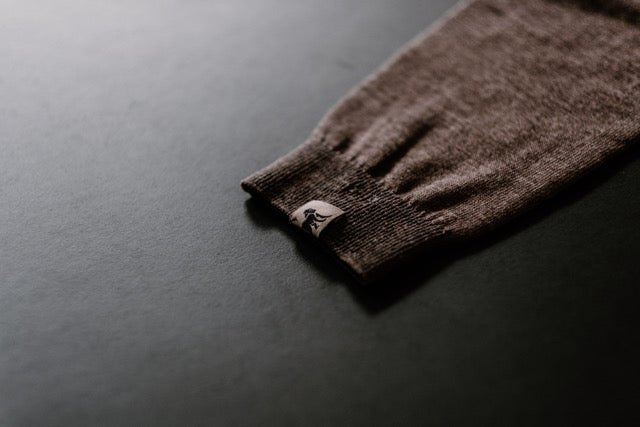
How do you choose a high-quality merino wool sweater?
At first glance, a sweater seems simple. A shape, a color, a neckline, a material. And yet a good sweater says much more than that. It says something about comfort, about taste, about how you want to dress and about how long a garment should stay in your wardrobe.
Summary:
- You can recognize a quality sweater not just by price or brand, but especially by material, knit, fit, and wearing comfort.
- Merino wool is one of the strongest choices for everyday wear thanks to its softness, breathable properties, and natural temperature regulation.
- A good merino sweater feels light and comfortable, keeps its shape beautifully, and fits effortlessly into different seasons and styles.
- When choosing, pay attention to the calmness of the knit structure, the right neckline, and a fit that feels natural on the body.
- Anyone who chooses merino wool deliberately is choosing a sweater that not only looks good, but is also designed to last.
Many people still judge a sweater by brand or price. But quality is rarely found in a single detail. It lies in the whole. In the choice of fiber, the way the sweater is knitted, the fit, the wearing comfort, and how well it continues to look good over time. A good sweater does not try to impress. It simply feels right.
For those who want to make a conscious choice, merino wool is one of the most interesting materials. Not because it is a buzzword, but because it works exceptionally well in practice. Soft against the skin, breathable, temperature-regulating, and suitable for year-round wear. That is exactly why merino is the foundation of a wardrobe for many men that should be simple, comfortable, and durable.
In short: what should you look for?
When choosing a good sweater, these are the key points:
- first look at the material
- pay attention to the density and calmness of the knit structure
- choose a neckline that suits your body and how you wear it
- pay more attention to fit than to the first impression
- think about care in advance
Anyone who chooses a sweater made of merino wool is choosing not only softness, but also versatility. That is precisely where the strength of the material lies.
Why merino wool is such a strong choice
Not all wool is the same. That may sound obvious, but in practice it is often forgotten. Under the heading “wool,” there are very different materials, each with its own properties. Cashmere is soft, but can be delicate. Alpaca has a beautiful drape, but feels different on the skin. Mohair has character and sheen, but is not equally comfortable for everyone. Regular wool can be strong, but sometimes lacks the finesse you want to wear every day.
Merino wool occupies a special place. The fibers are much finer than those of traditional wool, which makes the material feel softer and less likely to itch. At the same time, merino is technically strong. It breathes, absorbs moisture without feeling clammy, and helps keep body temperature naturally balanced.
That makes merino wool especially suitable for men who do not want a different sweater for every occasion, but prefer one good garment that works in many situations. At the office, on the weekend, under a blazer, under a coat, or simply on its own. A good merino sweater adapts without being overly present.
The quality of a sweater starts with the fiber
A sweater never feels better than the fiber it is made from. That is why the material choice is so important. Merino wool is strong because it combines comfort and functionality. It feels soft on the skin, yet remains light and lively to wear. You notice that difference not only when you put the sweater on for the first time, but especially when you wear it often.
When evaluating a quality merino sweater, look at three things. First, the purity of the material. A sweater made of 100% merino wool usually has a richer, more natural look than a blended composition. Second, how the wool feels. Not smooth or artificial, but supple, calm, and pleasant. Third, how the sweater behaves when worn: does it follow the body, keep its shape, and feel light enough that you want to wear it often?
That is exactly where a good merino sweater stands out. Not in flashy luxury, but in use. In how naturally it becomes part of your life.
The knit: where comfort and durability meet
The material is not the only thing that determines quality. The way a sweater is knitted also makes a big difference. A dense, balanced knit structure gives the sweater more calm, better shape retention, and often a longer lifespan. A loose or uneven knit may look airy at first glance, but it often loses its shape faster.
With merino wool, that is especially important. Because the material is refined, the construction has to be right. A well-knitted merino sweater feels supple, but not limp. Light, but not thin. Soft, but not fragile.
A seamlessly knitted sweater has an extra advantage here. Without seams, the lines look cleaner and the garment feels more comfortable on the body. There are no disruptive transitions, no unnecessary pressure points, and fewer weak spots in the construction. That makes the sweater not only more pleasant to wear, but also stronger in use.
A good knit usually does not show off loudly right away. You notice it more in the calmness of the whole. In how the sweater drapes. In how it continues to feel right over time.
The neckline: a small detail, a big impact
The neckline determines much more than just the style of a sweater. It affects the proportions of the upper body, how the sweater works with other garments, and how formal or relaxed the look becomes.
A crew neck remains the most versatile choice for many men. It works under a blazer, under a coat, with chinos, with denim, and also on its own without an extra layer over it. Especially with merino wool, a crew neck comes into its own because the material is refined enough to look clean and calm.
A turtleneck gives a more enveloping effect and often feels a little more dressed up. That can be especially strong in winter or in a pared-back wardrobe with lots of structure and depth. A half-zip or stand-up collar is a bit more technical and works well with a more casual or functional style.
There is no universal best neckline. But for a sweater you want to wear often, the crew neck usually remains the safest and strongest choice.
Fit: the difference between wearing and leaving it in the closet
Many people first look at color. Yet fit determines much faster whether a sweater becomes a favorite or stays in the closet. A good sweater follows the body without feeling tight and gives enough room to move naturally. It should not be tight, but it should not hang shapelessly either.
With merino wool, that is especially visible. Because the material is supple and light, it responds strongly to the cut. A good fit lets merino drape elegantly. A poorer fit suddenly makes the same wool look restless or lifeless.
The best choice is usually not the most striking one. A timeless fit almost always beats a trend-driven model. A sweater that fits well today and still feels right in two years is ultimately the best investment.
Also pay attention to length. Not only the size, but also the proportion of the garment matters. A sweater that fits the body well and suits the wearer's height simply feels more right. As a result, you wear it more often and more easily.
Color: calm lasts longer
Color also helps determine how often you will wear a sweater. Trend colors can be tempting, but a sweater is by definition a garment you do not buy for just a few weeks. That is why calm tones usually work better in the long run.
Think of deep blue tones, gray, brown, ecru, dark green, or anthracite. Such colors let the quality of merino wool speak for itself. They combine easily with what you already own and often remain stylish regardless of the season.
A plain merino sweater also offers more freedom than a bold pattern. It can be casual, but also polished. It can be worn on its own or as part of a layered outfit. That versatility is exactly what makes it valuable.
You can also recognize a good merino sweater in everyday life
The true quality of a sweater only reveals itself not on the day of purchase, but in the weeks and months afterward. How does it feel after being worn many times? How well does it keep its shape? How does it behave when you air it out, fold it, and put it on again?
Merino wool has a major advantage here. Thanks to its natural properties, it does not need to be washed as often as many other materials. Simply airing it out is often enough. That makes merino not only practical, but also pleasant to use. You do not have to treat the sweater as intensively, and that helps keep it looking good.
A good merino sweater therefore does not become a fragile garment you have to handle carefully. It becomes a natural part of your everyday life.
Care: simplicity is often better
Care puts some people off, especially with wool. Yet a merino sweater does not have to be complicated, as long as you understand the material. Precisely because merino wool is naturally odor-resistant and temperature-regulating, it often requires less than other fabrics.
The main rules remain simple:
- do not wash too often
- preferably air the sweater between wears
- always follow the instructions on the label
- treat the fiber gently
Quality and care go hand in hand. Anyone choosing a good sweater also chooses a slightly more attentive way of wearing it. Not cumbersome, but deliberate.
What it ultimately comes down to
You do not recognize a quality sweater only by a nice story or a familiar label. You recognize it by the combination of material, construction, fit, and use. And that is exactly why merino wool is such a strong choice. It combines comfort, refinement, and everyday usability in a way few other materials can match.
A good merino sweater feels soft, but not flimsy. It looks polished, but not overdone. It fits many situations without demanding attention. And perhaps that is exactly what quality means today: not something that asks for attention, but something that lasts.
Conclusion
Choosing a quality sweater starts with looking more closely. At the fiber, at the knit, at the fit, and at how a garment behaves in real life. Merino wool is a particularly convincing choice in this respect, because the material naturally brings together comfort, elegance, and versatility.
Anyone choosing a good merino sweater is not choosing a fleeting effect. But a garment that remains relevant season after season. Calm, soft, and just right.